 Five-Day Travel
 Aida Levitan, Ph.D. • May 8th, 2025
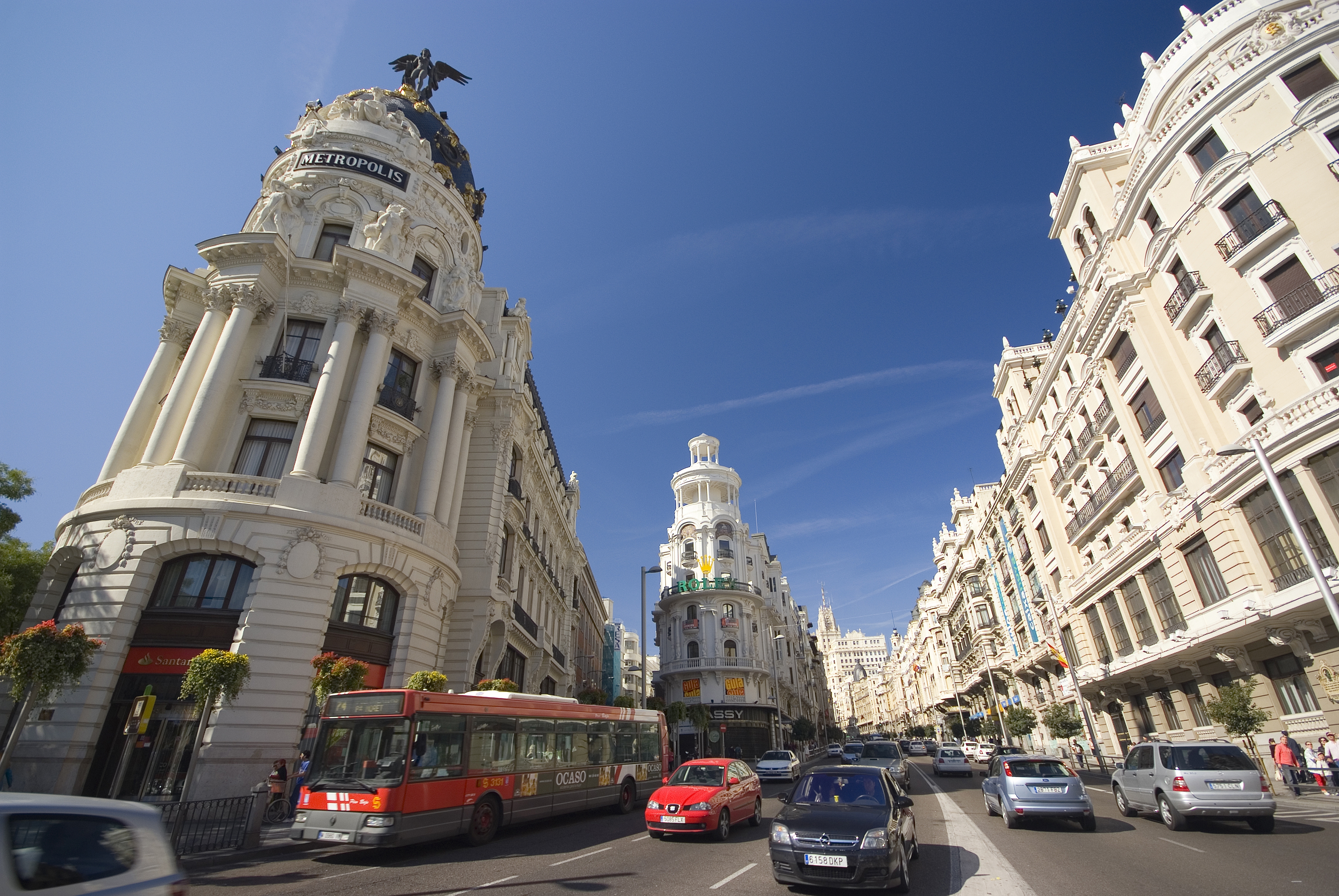
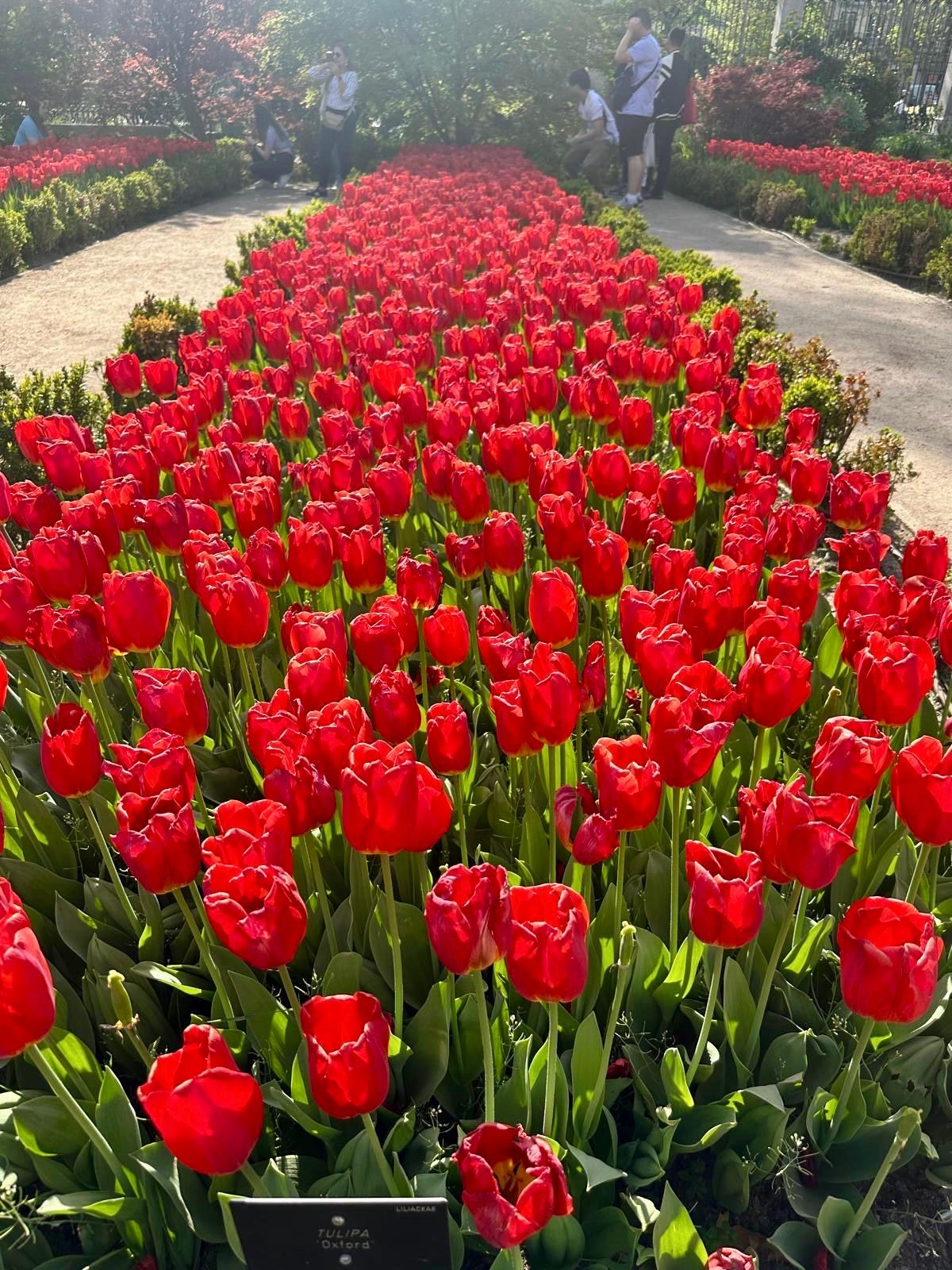
The saying goes, “From Madrid to Heaven.” After numerous visits to Madrid, we still find ourselves amazed by the city’s wonderful attractions. Springtime in Madrid is a delight for the senses, not only because of the flowers that decorate its parks and the sunny days with blue skies, but also because of the energy we feel while walking through its streets.
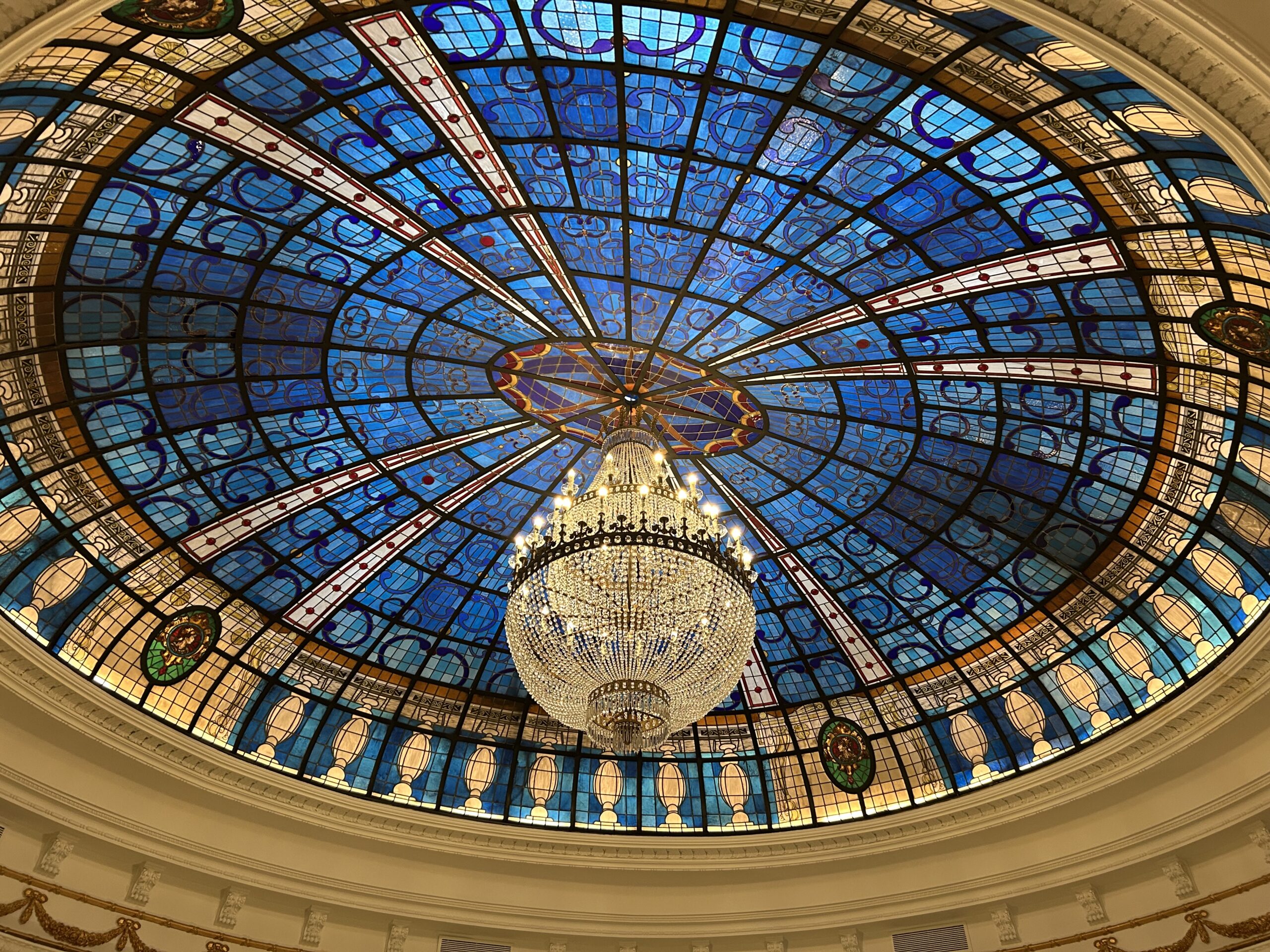
We stayed at the elegant Hotel Gran Meliá Fénix in the Red Level, known for its luxury and excellent service. Located in Plaza de Colón in the Salamanca district, this five-star hotel is both traditional and modern. The VIP service begins with the attentive concierge and a champagne toast. In the private lounge, they serve both a buffet and à la carte breakfast, and in the afternoon, delicious tapas and drinks (included). Every night, we were surprised with innovative tapas delivered to our room.

First Day
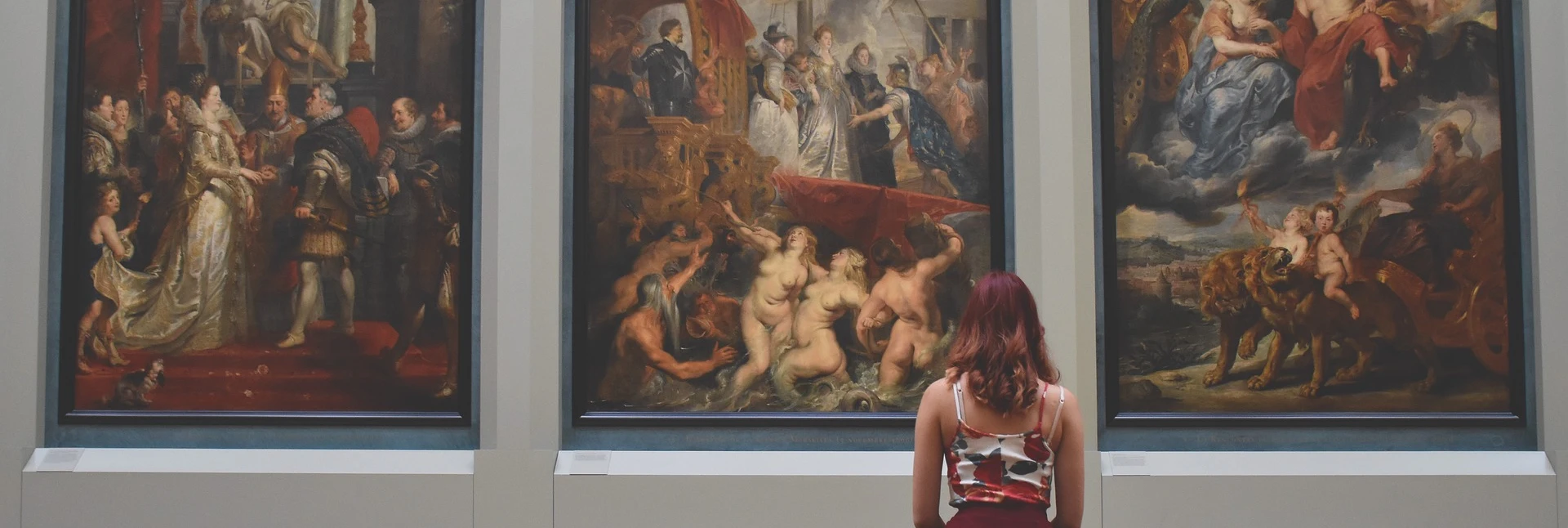
To appreciate Spain’s extraordinary cultural heritage, it is essential to visit the Prado Museum, one of the most important museums in the world, featuring works by legendary artists such as Velázquez, Goya, El Greco, Bosch, Raphael, and Titian. A friend offered us an exceptional private tour of many of Velázquez’s fifty works. We were fascinated by Las Meninas, but we were also deeply moved by the wonderful portraits that reveal the humanity of the jesters and by the dramatic painting Christ Crucified, which inspired Unamuno’s poem The Christ of Velázquez.
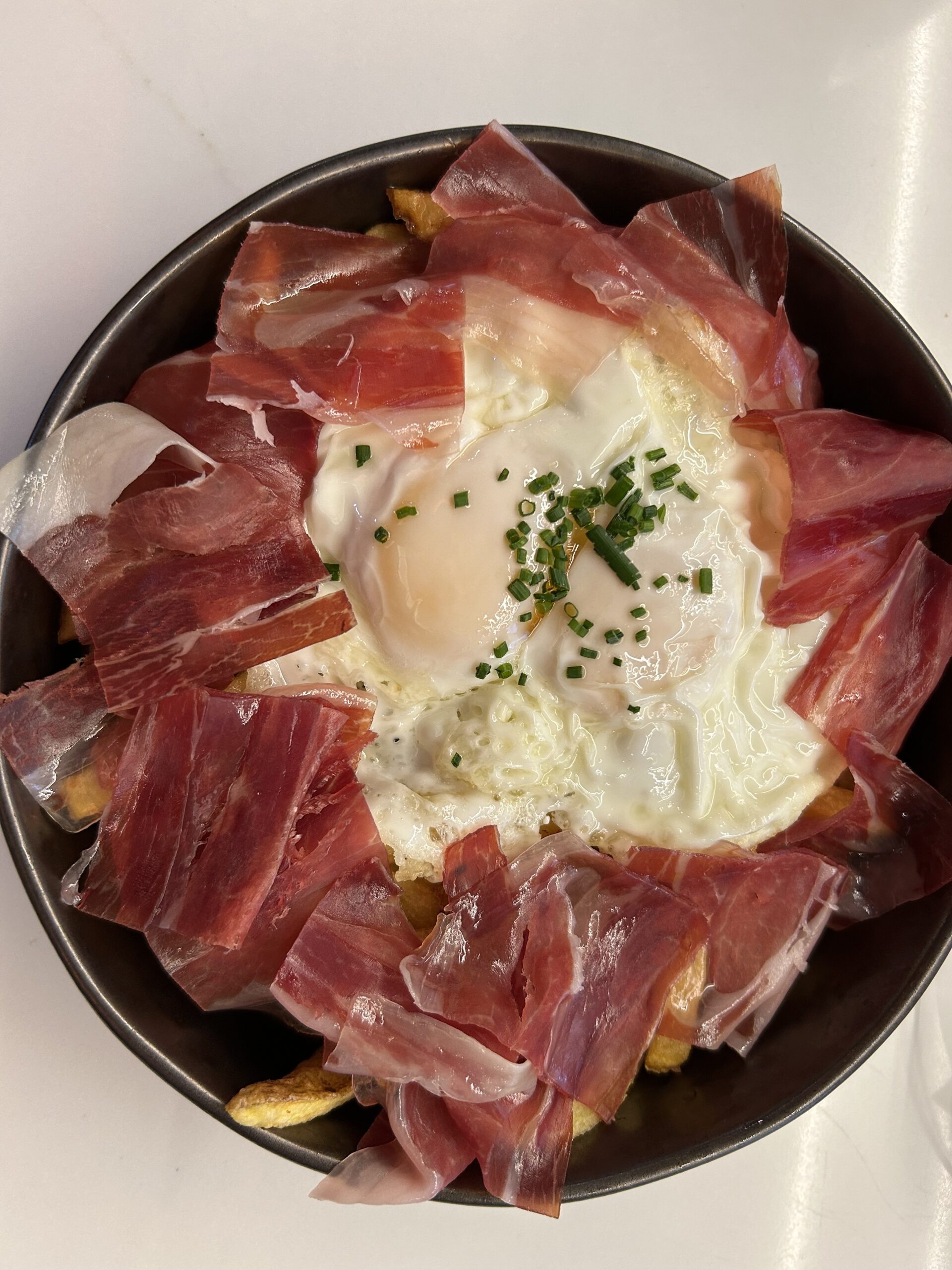
After enjoying Jamón Ibérico, croquettes, and huevos rotos at the legendary Casa Lucio, we explored Plaza Mayor, the heart of Habsburg Madrid. This is the perfect place to begin a tour of the city’s historic streets. Of special interest are the famous Arco de Cuchilleros, the statue of Philip III (1616), and the Casa de la Panadería (1590), home to Madrid’s Tourism Office.
At El Riojano, we tried the cream and strawberry cake along with a thick hot chocolate for an afternoon snack. Another great option for snacking or having a light bite is visiting the Mercado de San Miguel, which has many food stalls offering a variety of specialties, located in Plaza de San Miguel. Afterwards, you can enjoy churros and hot chocolate at the famous Chocolatería San Ginés.
Second Day
Just a few steps from the Meliá Fénix is the National Museum of Anthropology, where we saw historical artifacts. Housed in a neoclassical building, this museum offers a global perspective on diverse cultures and highlights Spain’s connections with the world. There we found La Dama de Elche, the famous Iberian stone sculpture discovered in 1897 in Elche, Spain. It depicts a high-ranking woman wearing two coiled headdresses, a necklace with a pendant, and a mitre or tiara with a veil over her head.
Before lunch, we strolled along Serrano and other streets in the Salamanca district, admiring elegant shops such as El Corte Inglés and Roberto Verino. The perfect spot for a short break is Mallorca, where we enjoyed Navarra asparagus and exquisite pastries.

In the afternoon, we visited the Royal Palace, one of the most beautiful in Europe (1738). This National Heritage site spans 135,000 square meters and has witnessed the history of Spain. Its ornate rooms date back to the 18th century, but the building is situated on the site of the former Alcázar of Madrid, which Philip II transformed in 1561 into the official residence of the Spanish monarchs. Its greatest splendor, in the Italian style, came during the reign of Charles III, with works by famous painters such as Tiepolo and Mengs. The Royal Armory is one of the most important collections in Europe, alongside Vienna’s. We recommend visiting its Campo del Moro Gardens.
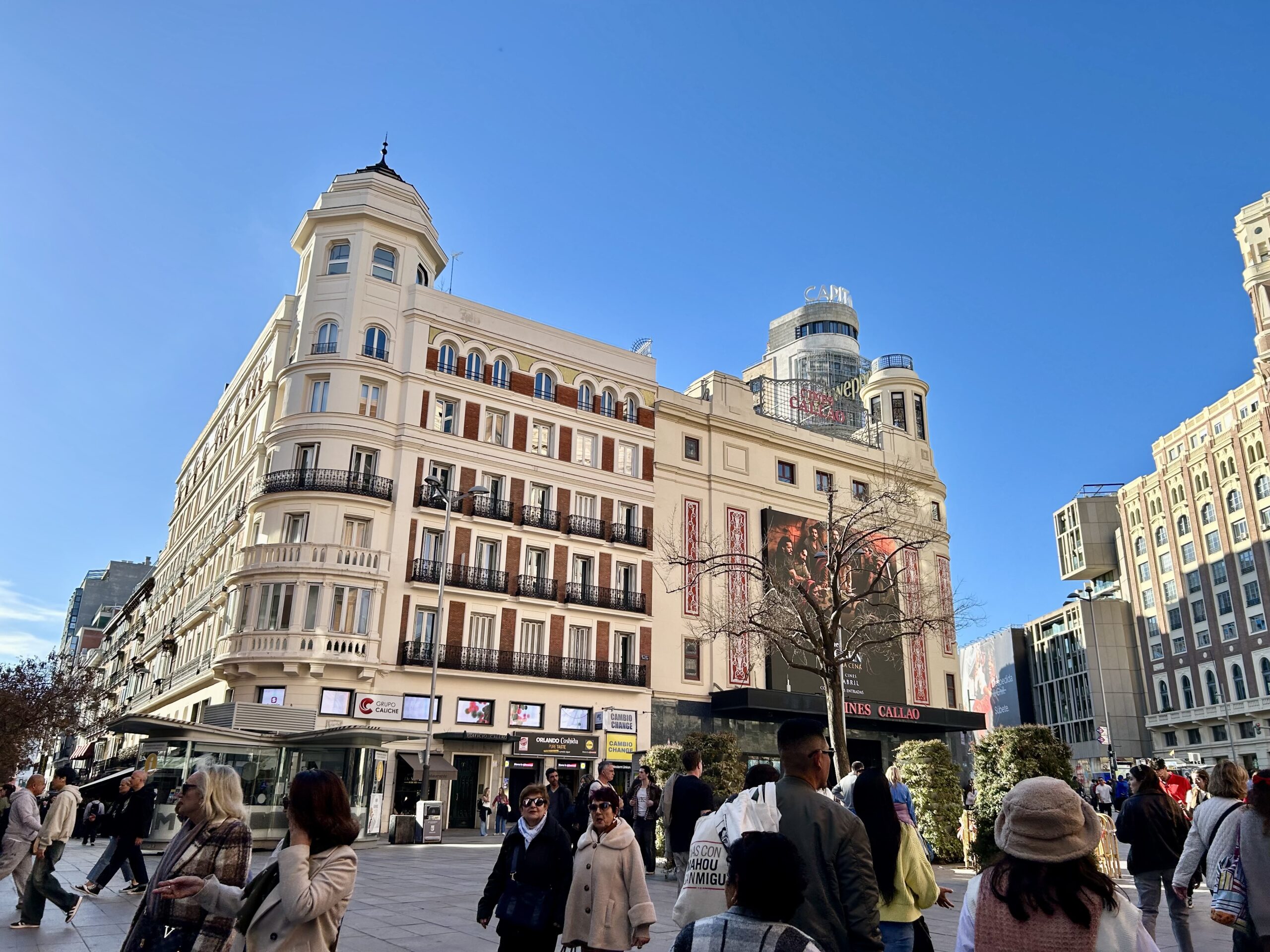
Just one kilometer from the Palace is the famous Gran Vía, which connects key points in Madrid, such as Calle de Alcalá and Plaza de España. Walking along this avenue is like enjoying an architectural festival. The iconic buildings feature styles including neo-Baroque, avant-garde, and Modernist, among others. The enormous Capitol Building, in Art Deco style, is a symbol of Gran Vía. This street is excellent for shopping and for seeing performances at theaters such as Lope de Vega and EDP Gran Vía.

At night, we had dinner at La Ancha, an excellent family-run restaurant with over 100 years of history. It offers high-quality traditional cuisine, with fresh ingredients and very attentive service. For starters, we were served Jamón Ibérico with huevos rotos and French fries, and razor clams grilled with garlic. Then we tried the cocido soup and Tarifa-style red snapper, as well as Roman-style hake fillets.
Third Day
In the morning, we visited the exceptional Thyssen-Bornemisza National Museum, which currently has a temporary exhibition on the importance of art in the work of Marcel Proust (running until June 8, 2025). Its permanent collection features more than a thousand works, offering a journey through the history of Western painting from the 13th to the 20th century. Among the represented painters are Caravaggio, Rubens, Rembrandt, Hans Holbein, El Greco, Degas, Manet, Van Gogh, Dalí, and Picasso.
For lunch, we headed to Chueca, a neighborhood known as a hub for the LGBTQ community and also famous for its terraces, fashion shops, art galleries, and nightlife. Similar to the Mercado de San Miguel, the Mercado de San Antón has been renovated and features 20 bars and stalls offering fresh products, innovative tapas, and excellent wines.
A lovely spring visit is to the Royal Botanical Garden, founded in 1755, which houses more than 5,500 plant species from around the world. The rose collection features 340 specimens of various species. In the Rosaleda at El Retiro, we also saw beautiful roses near the famous Fallen Angel statue.
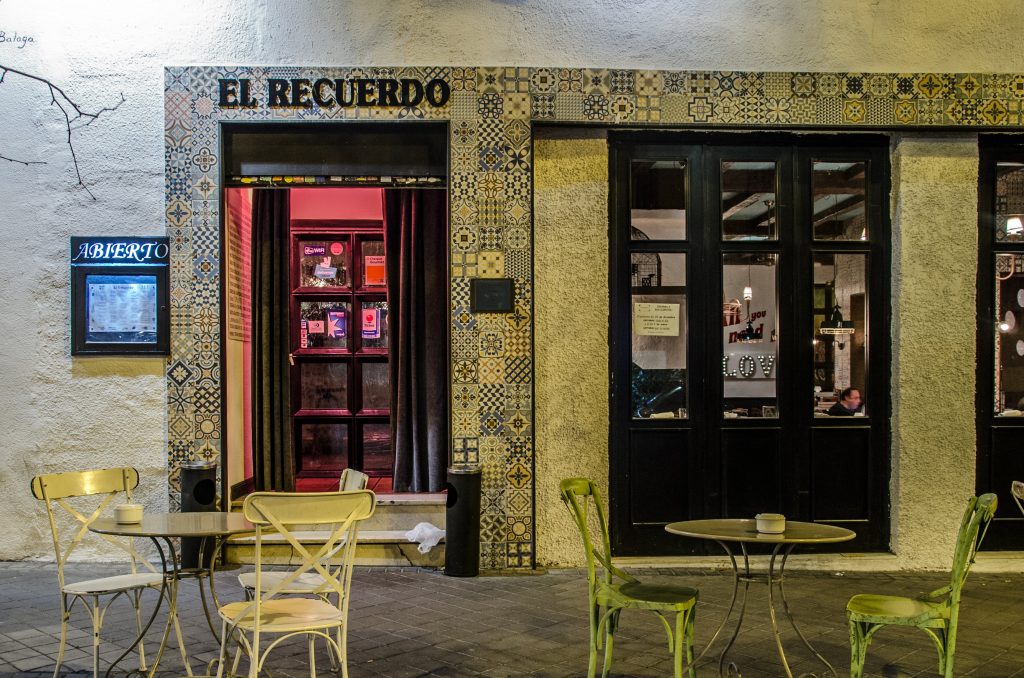
After our afternoon nap (between 5 and 8 p.m.), we had dinner at El Recuerdo, a restaurant from Carlos Galán’s La Misión Group, who also owns restaurants in Miami. We enjoyed homemade ham croquettes, grilled artichokes, chicken and mushroom quesadillas, and other gourmet tapas. For the main course, we chose the grilled ribeye, beef tenderloin, and Bilbao-style gilthead bream. It is truly a restaurant to remember.
Fourth Day
The Reina Sofía National Art Center Museum is one of the three major museums in Madrid. It houses 18,000 works from the 20th and 21st centuries, including pieces by geniuses such as Salvador Dalí, Juan Gris, Picasso, Chillida, Calder, and others. As always, we were impressed by Picasso’s Guernica, but there were many works that inspired us, including Salvador Dalí’s Young Woman at the Window.
We had lunch with Madrid friends at Vinoteca García de la Navarra, a restaurant specializing in traditional and seasonal cuisine. We were served by Pedro García de la Navarra, who recommended the dishes of the day and the excellent Marqués de Riscal Reserva 2020 XR wine. Of particular note are the off-menu dishes, made with fresh ingredients that arrive daily. The meal, like the company, was extraordinary and memorable.
From the restaurant, we began a walk toward the Cibeles Palace in Retiro. This iconic neoclassical palace is also known as the Communications Palace. Originally, it was the headquarters of the Post and Telegraph service, but it now houses the Madrid City Hall and a cultural center. Next to it stands the legendary Cibeles Fountain, a beautiful sculpture representing the Roman goddess of the same name. Located in Plaza de Cibeles, it was redesigned by architect Ventura Rodríguez between 1777 and 1782, featuring the figure of the goddess sculpted by Francisco Gutiérrez Arribas in a chariot pulled by two lions, crafted by Roberto Michel.

For dinner, we went to Charrúa, a trendy Uruguayan restaurant. Its empanadas and meats are spectacular, and the desserts are delicious, all served with great care in a beautifully decorated setting.
Fifth Day
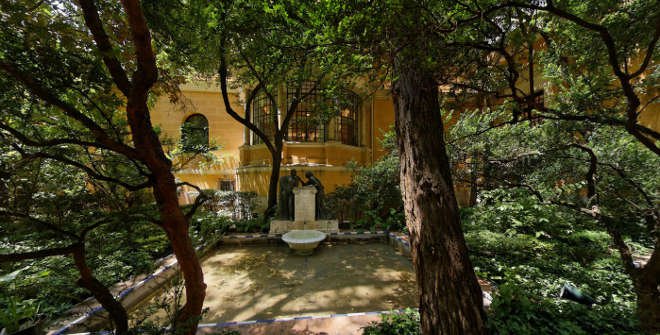
Many people from Miami have purchased apartments in Madrid, especially in the Chamberí neighborhood, an elegant and safe area considered by some to be the most traditionally “Madrid” district. In Chamberí is the Sorolla Museum, which not only displays paintings by this genius of Spanish art but also features beautiful sculptures, furniture, and other objects of great interest. Its lovely garden is divided into three sections: one inspired by the Garden of Troy at the Alcázar of Seville; the second inspired by the Generalife in Granada, in Neo-Arabic style; and the third with a pond featuring the sculptures of the “Fountain of Confidences.”
Lunch at “Carta Marina,” very close to the Santiago Bernabéu Stadium, helped us end our stay in Madrid on a high note. In its pleasant atmosphere, we enjoyed Galician empanadas and exquisite fish and seafood, such as delicious salt-baked sea bass and breaded sole. Sometimes, executives, technicians, and Real Madrid players also visit this restaurant.
In the afternoon, we visited the Rosaleda Garden in Parque del Oeste, in the Moncloa district. Designed in 1955 by Ramón Ortiz, head gardener of the Madrid City Council, it covers 32,000 m² and features 20,000 rose bushes of 650 modern varieties, including climbers, weeping types, and others. The ponds add charm to this award-winning park.
Springtime in Madrid invites you to fall in love with its blooming gardens, lively streets, historic monuments and buildings, excellent cuisine, beautiful terraces and cafés, and above all, its fun-loving people proud of their heritage.
By Aida Levitan, Ph.D., Fivedaytravel.com and ArtesMiami, Inc.
