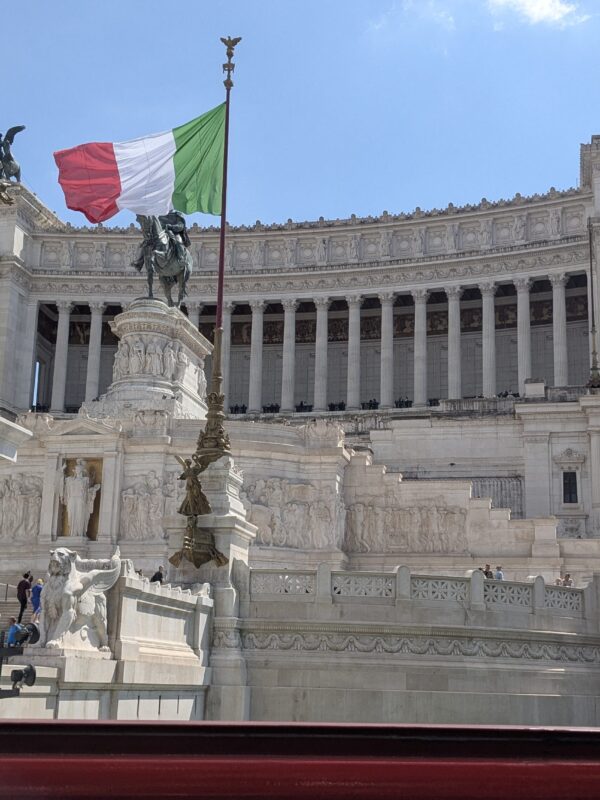
 Five-Day Travel
 Aida Levitan, Ph.D. • October, 2025
Rome is one of the most beautiful and historic cities in the world. To truly appreciate its charm, fascinating history, and spectacular art, we visited for five days, exploring ancient streets, museums, monuments, restaurants, and markets. This itinerary helped us organize our trip.
Day 1: Panoramic Tour
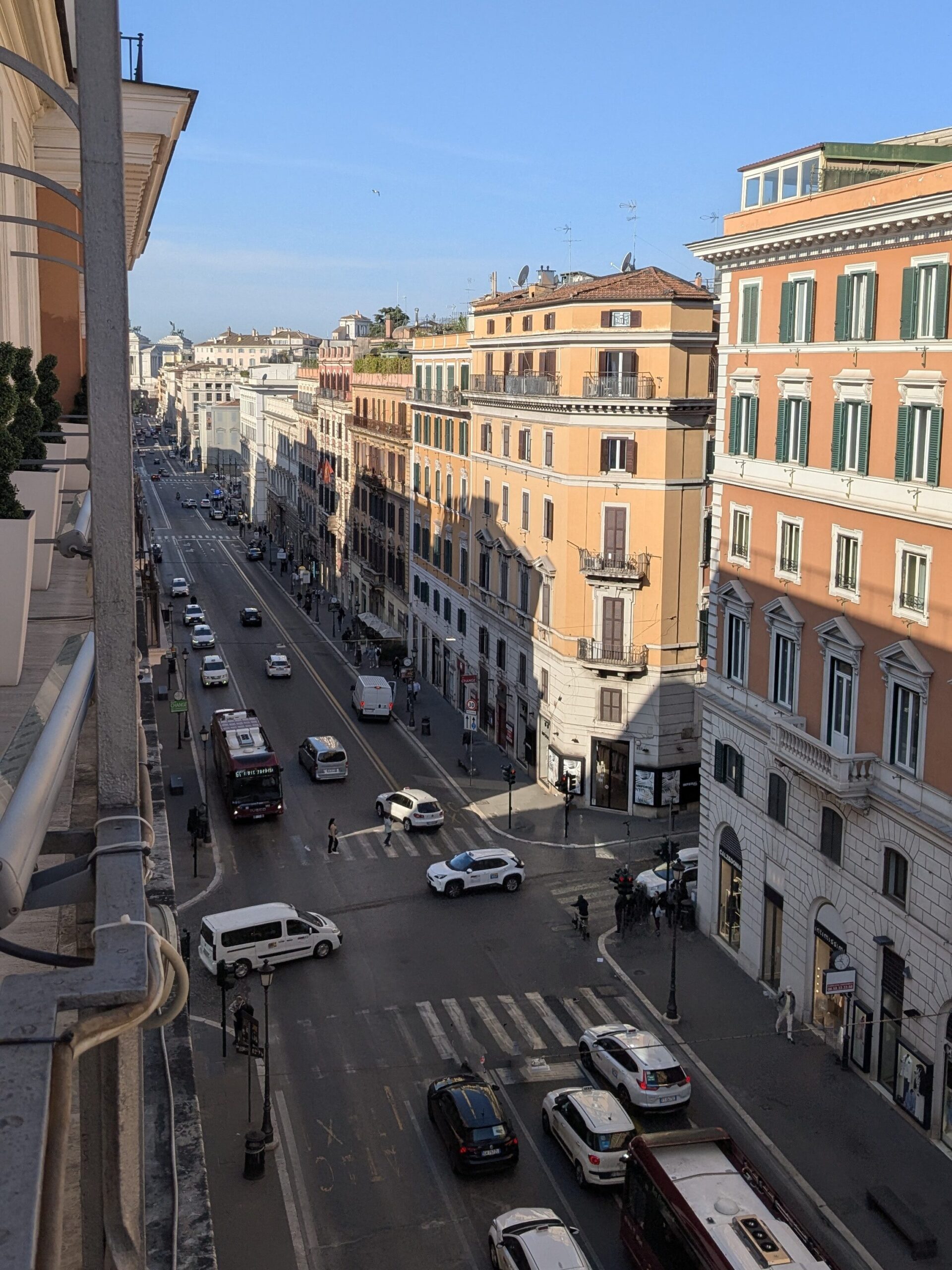
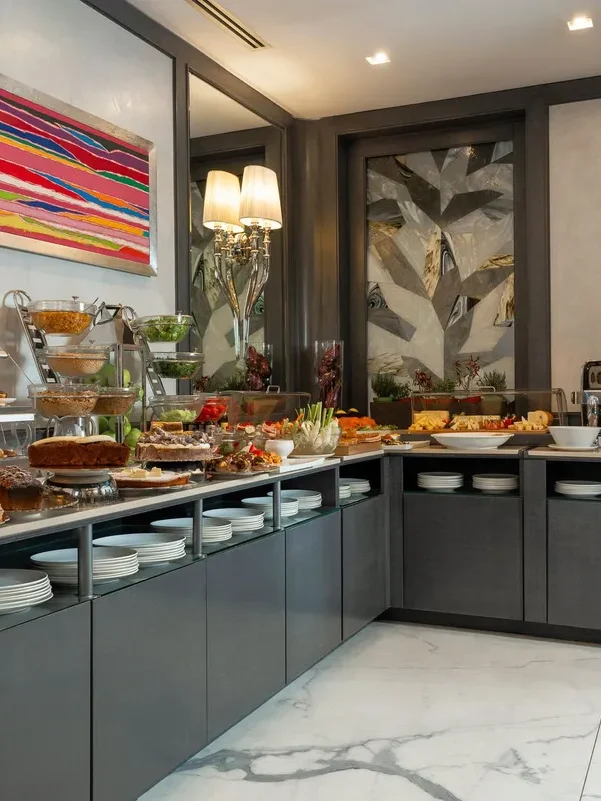
We stayed at the elegant Hotel Artemide, located on Via Nazionale, one of Rome’s main shopping avenues. This four-star hotel attracted us for its excellent reviews. The room and bathroom were comfortable and modern. The cost per night for a Deluxe double room was around $400. The service and breakfast buffet were outstanding, featuring cappuccinos, Italian pastries, cold cuts, cheeses, eggs made to order, sweets, and prosecco. Nearby, we found numerous boutiques and leather shops at affordable prices.
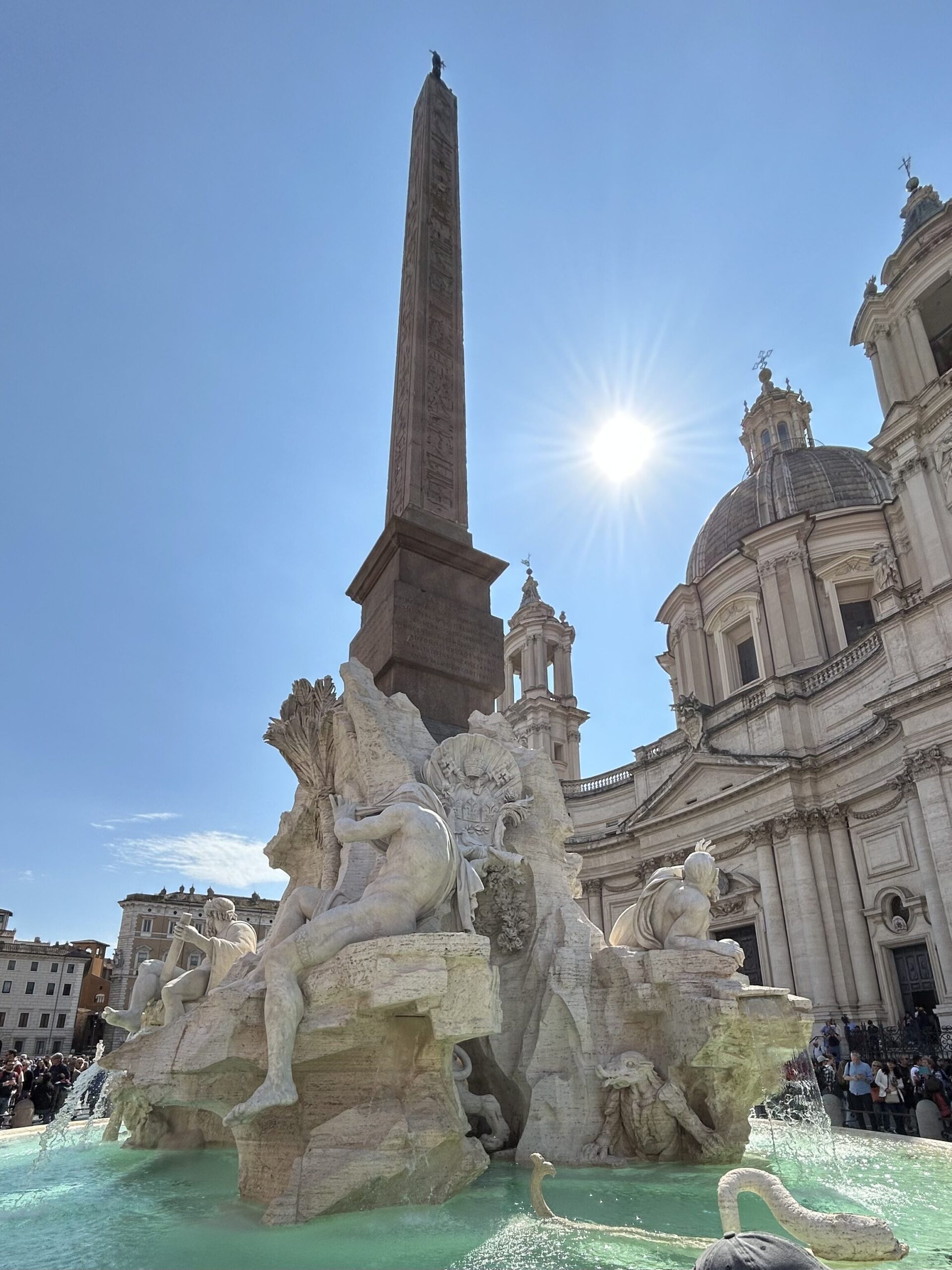
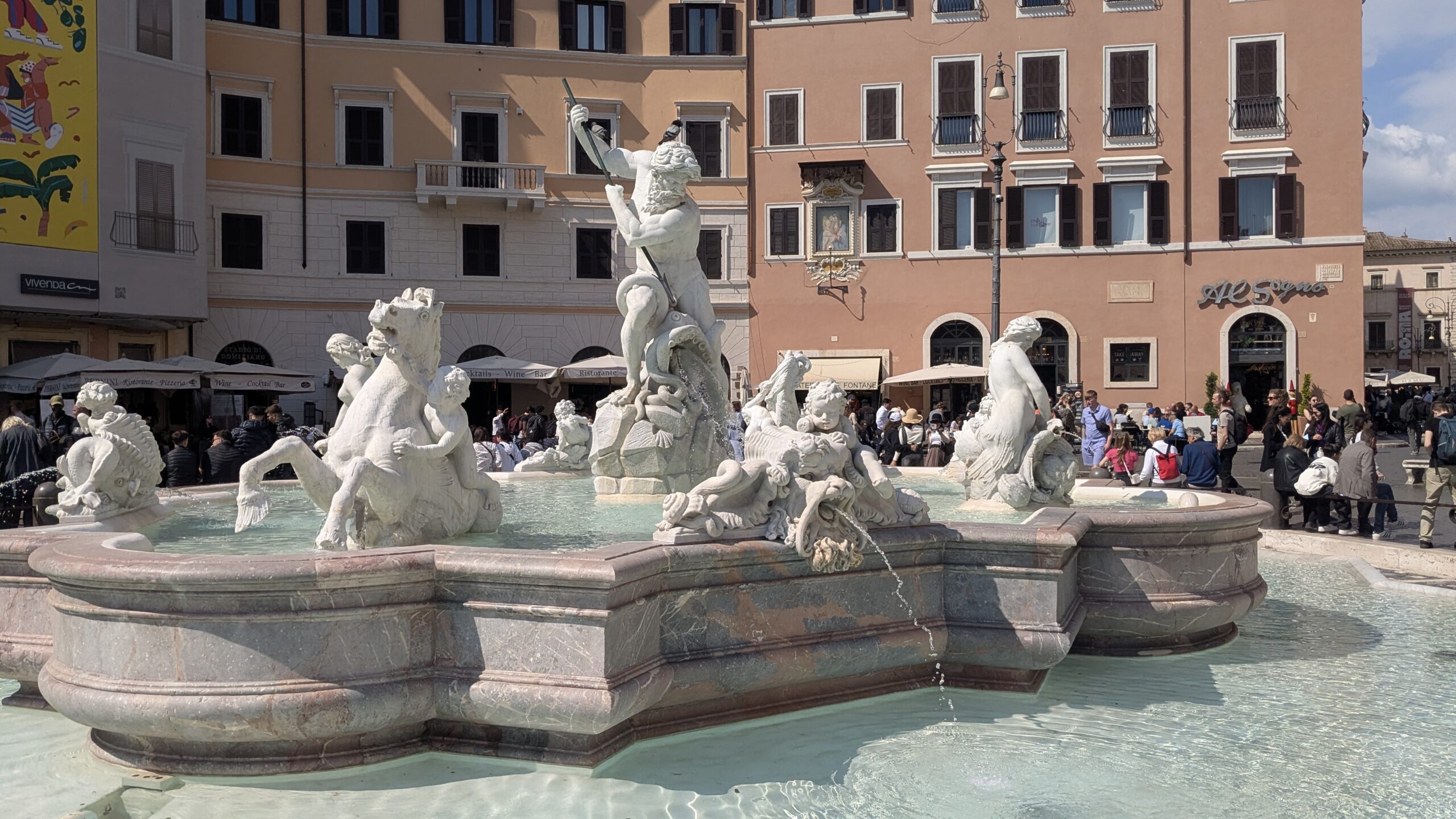
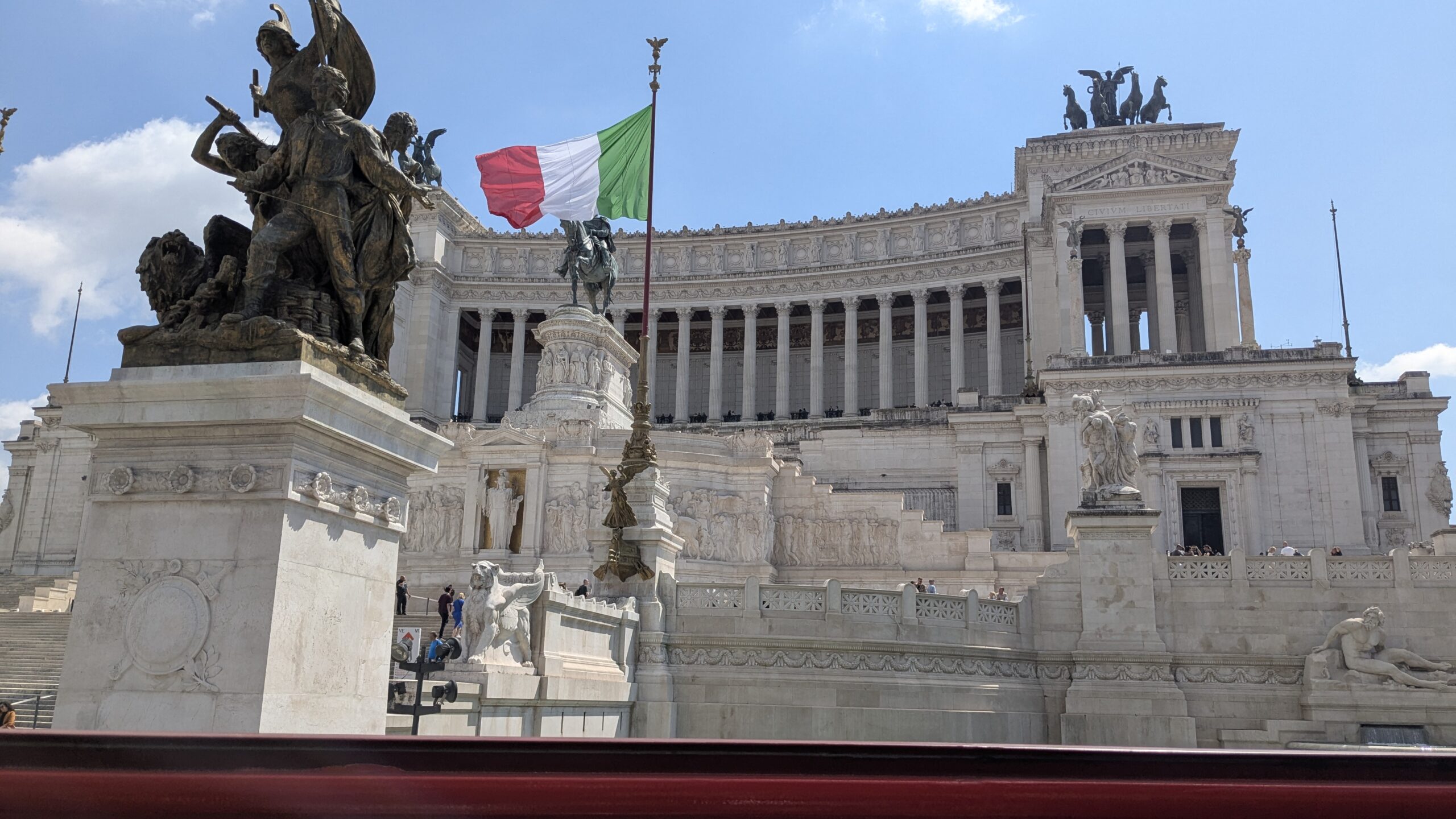
In the morning, we took a panoramic bus tour of Rome with Viator Big Bus, hopping on and off throughout the day. We visited the magnificent Piazza Navona, a Baroque square surrounded by fountains and cafés. Its Fountain of the Four Rivers by Bernini is famous for its extraordinary sculptures. The Fontana del Moro, adorned with sculptures by Della Porta and a striking “Moor” figure by Bernini, is another highlight. The Tartufo (dark chocolate ice cream) from Tre Scalini (€12) is one of the most famous treats in the square but quite expensive.
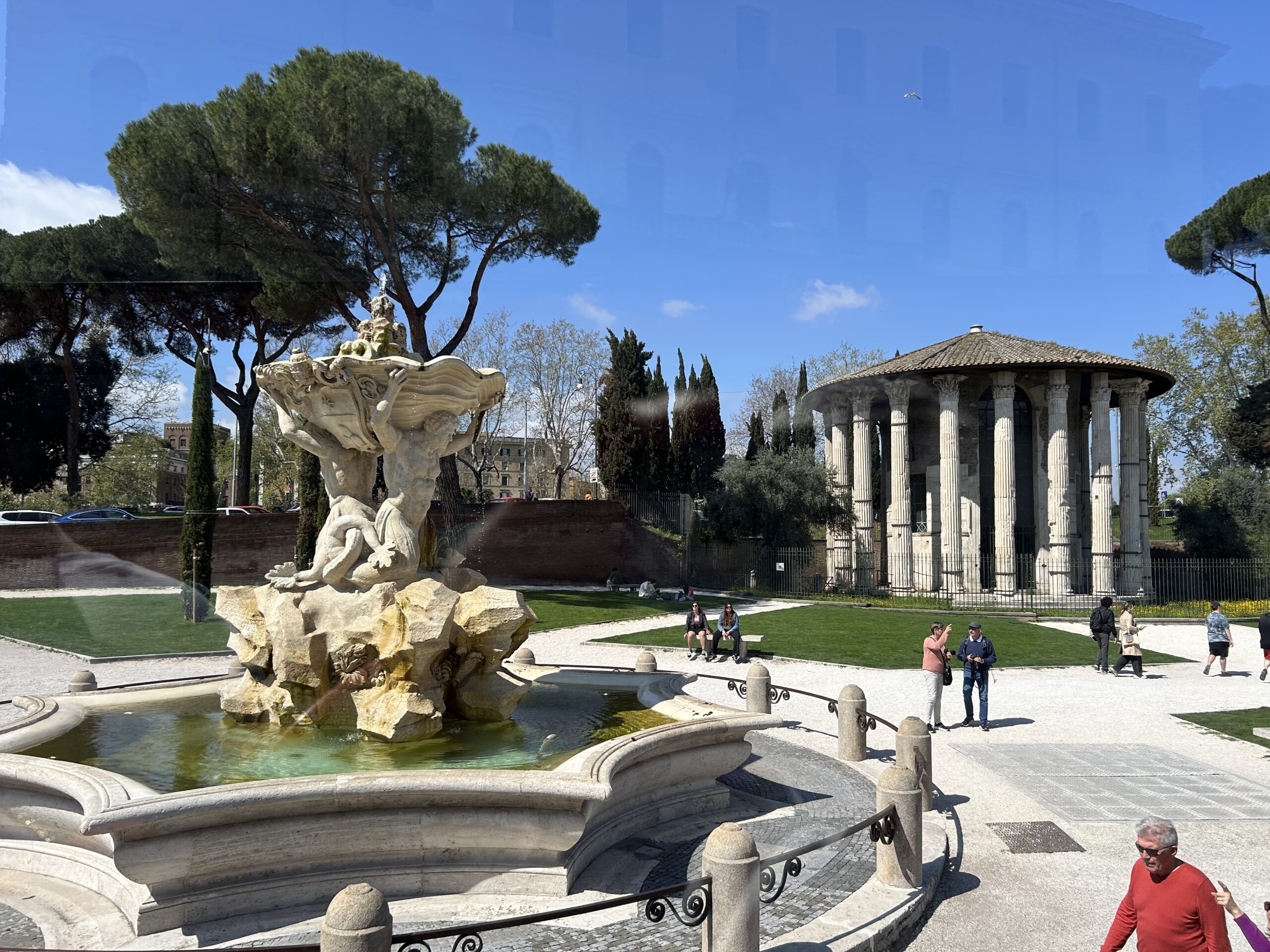
We then strolled along Via dei Condotti, lined with luxury stores, and Via del Corso, known for its more affordable shops. As sunset approached, we visited the Piazza di Spagna, admiring the Fontana della Barcaccia, a Baroque-style fountain. Just steps away is the newly renovated Hotel d’Inghilterra, home to the romantic Terrazza Romana, where we enjoyed a mocktail (€20). This hotel is pure luxury but is now at leat $1,050 per night during May.
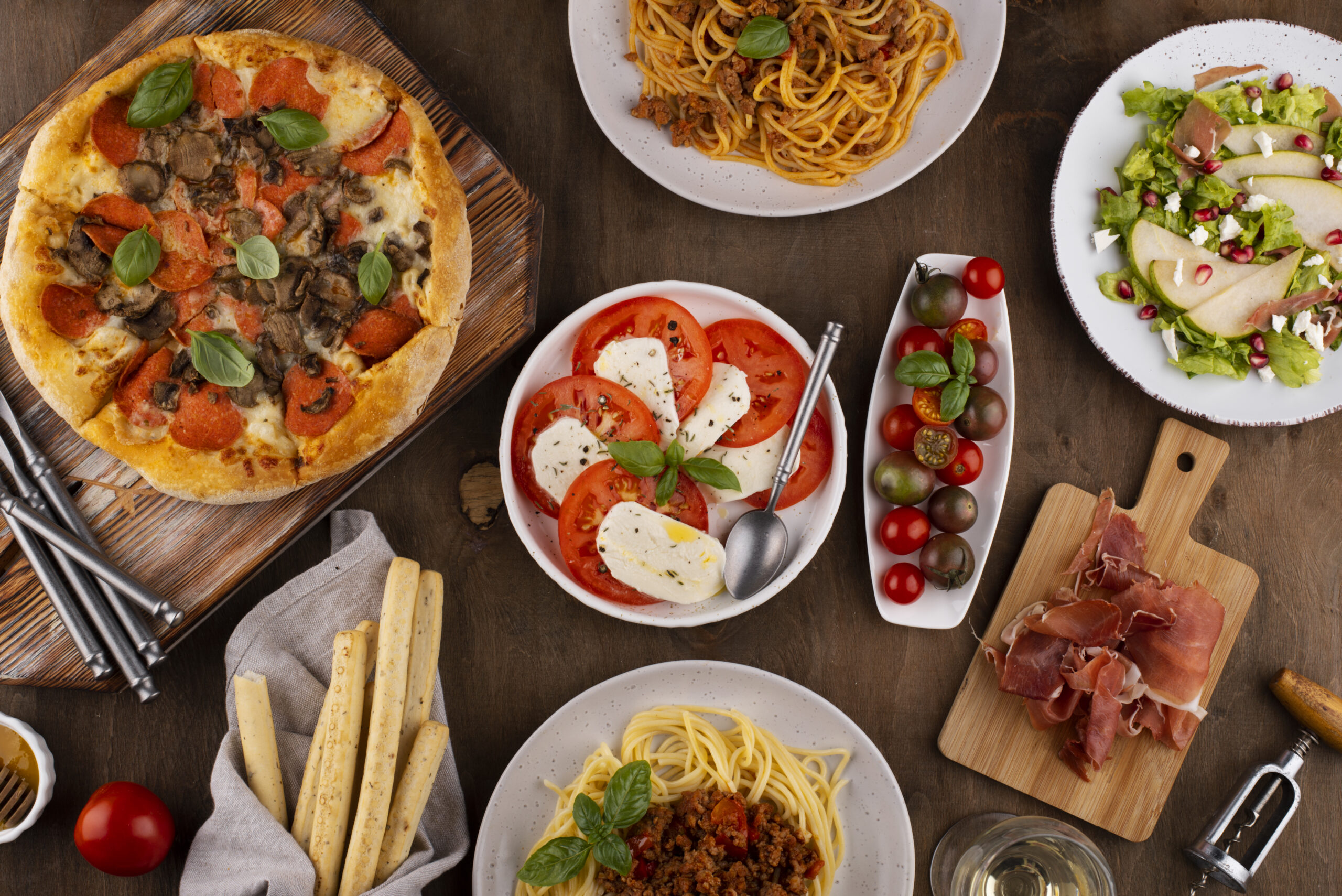
We dined at Ristorante La Taverna dei Monti, near the Artemide, enjoying delicious Roman dishes at reasonable prices: Fettuccine Alfredo (€11) and Saltimbocca alla Romana (€14).
Day 2: The Colosseum and the Caravaggio Exhibition at Palazzo Barberini
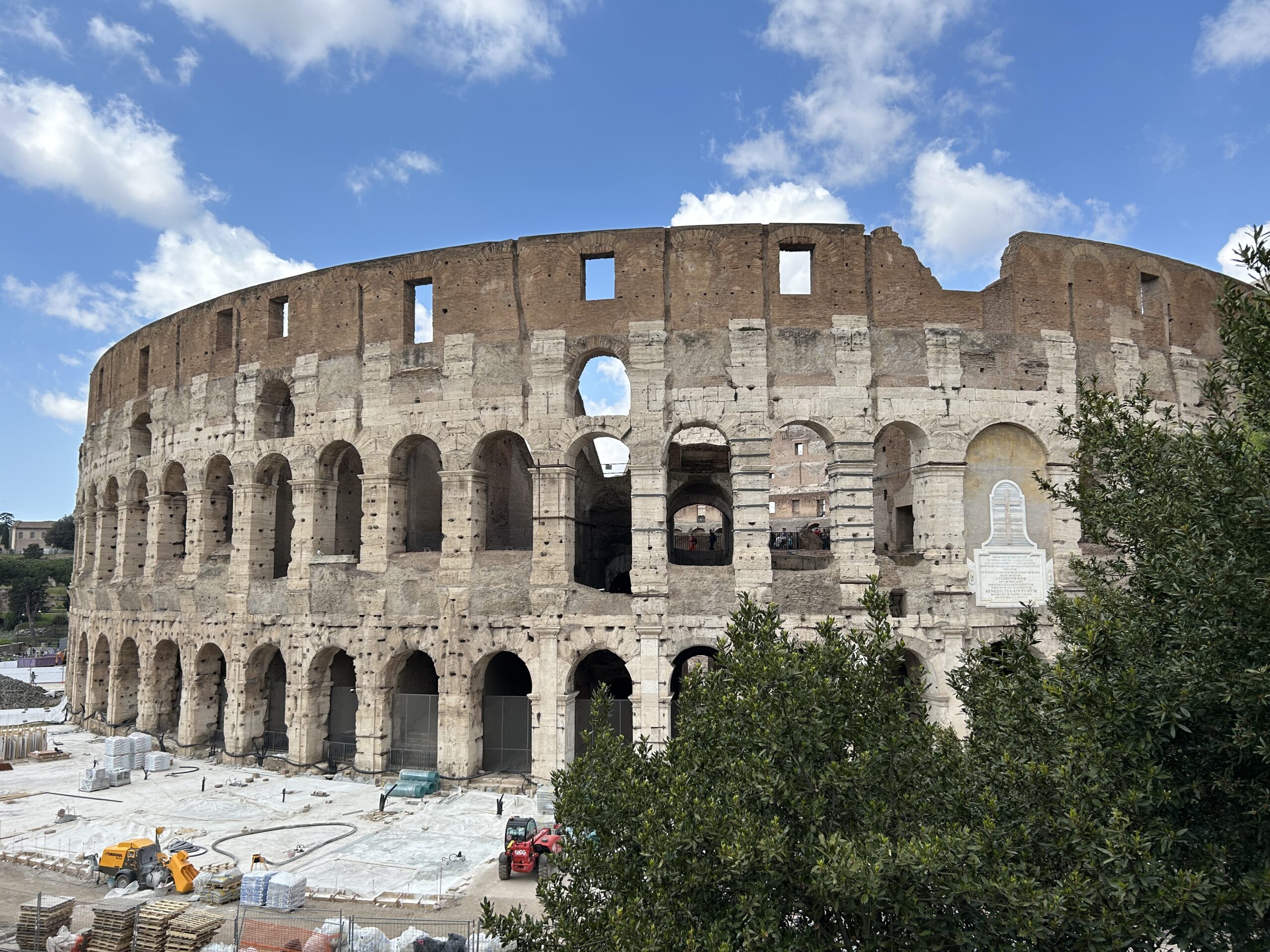
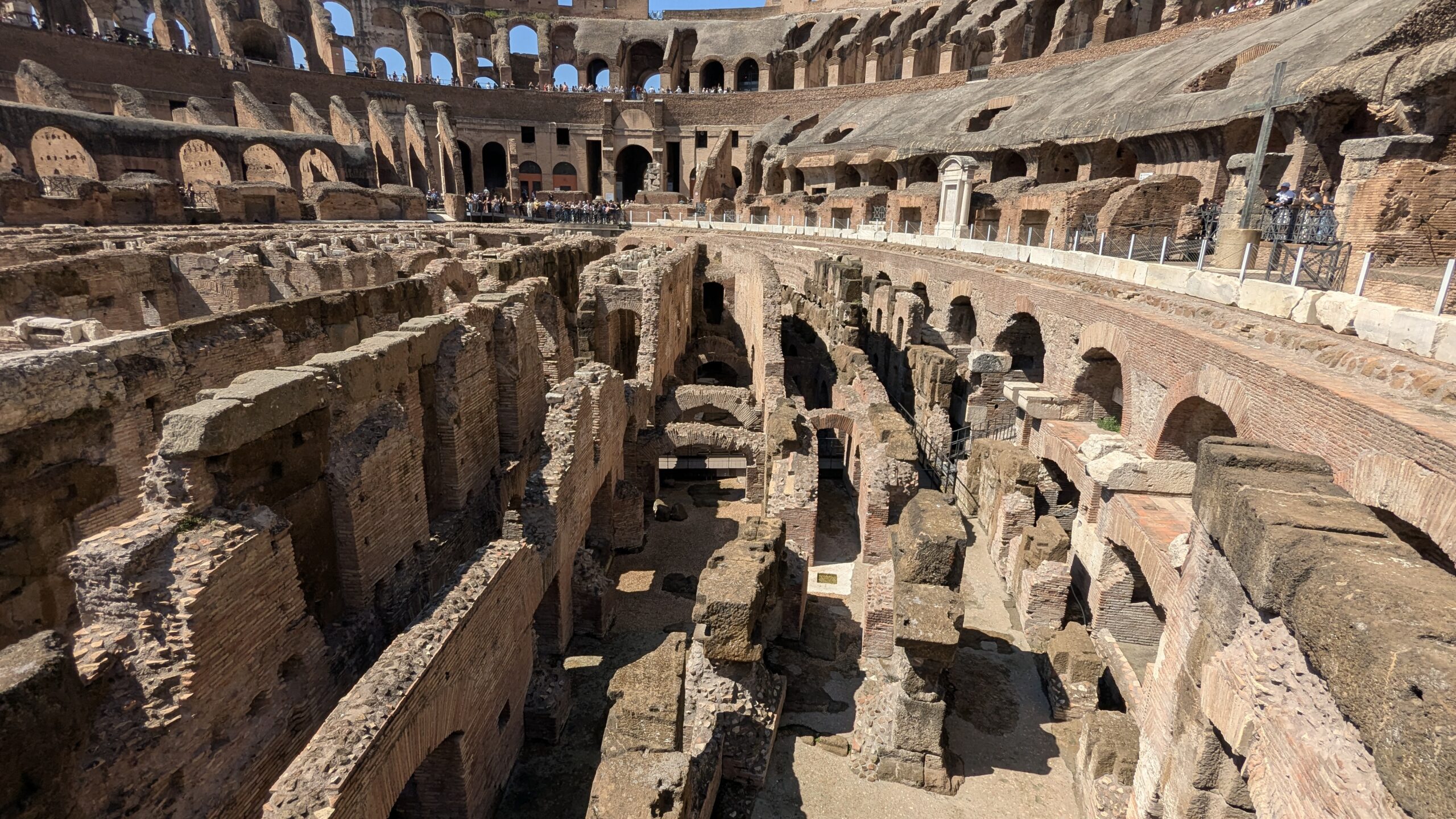
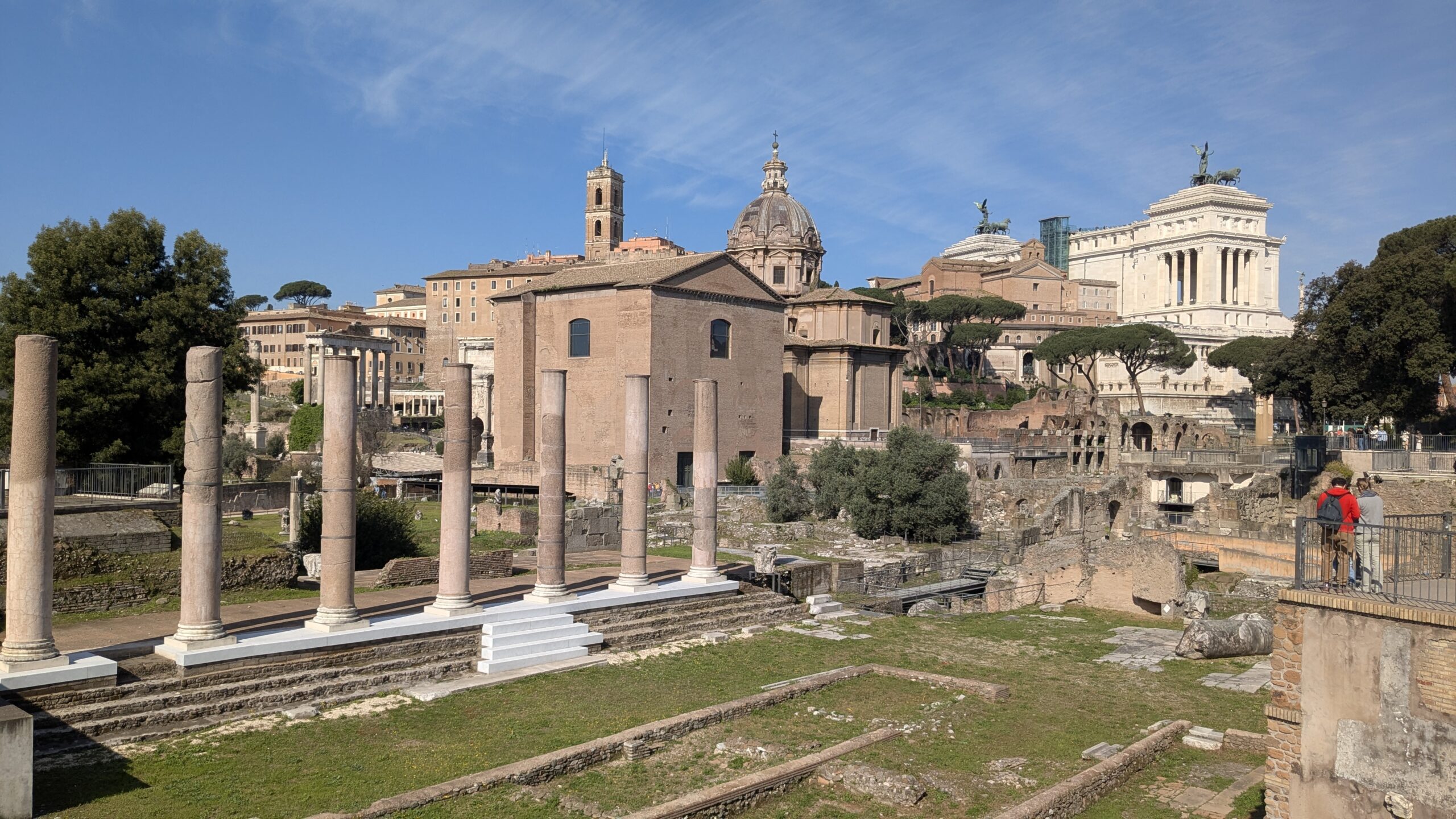
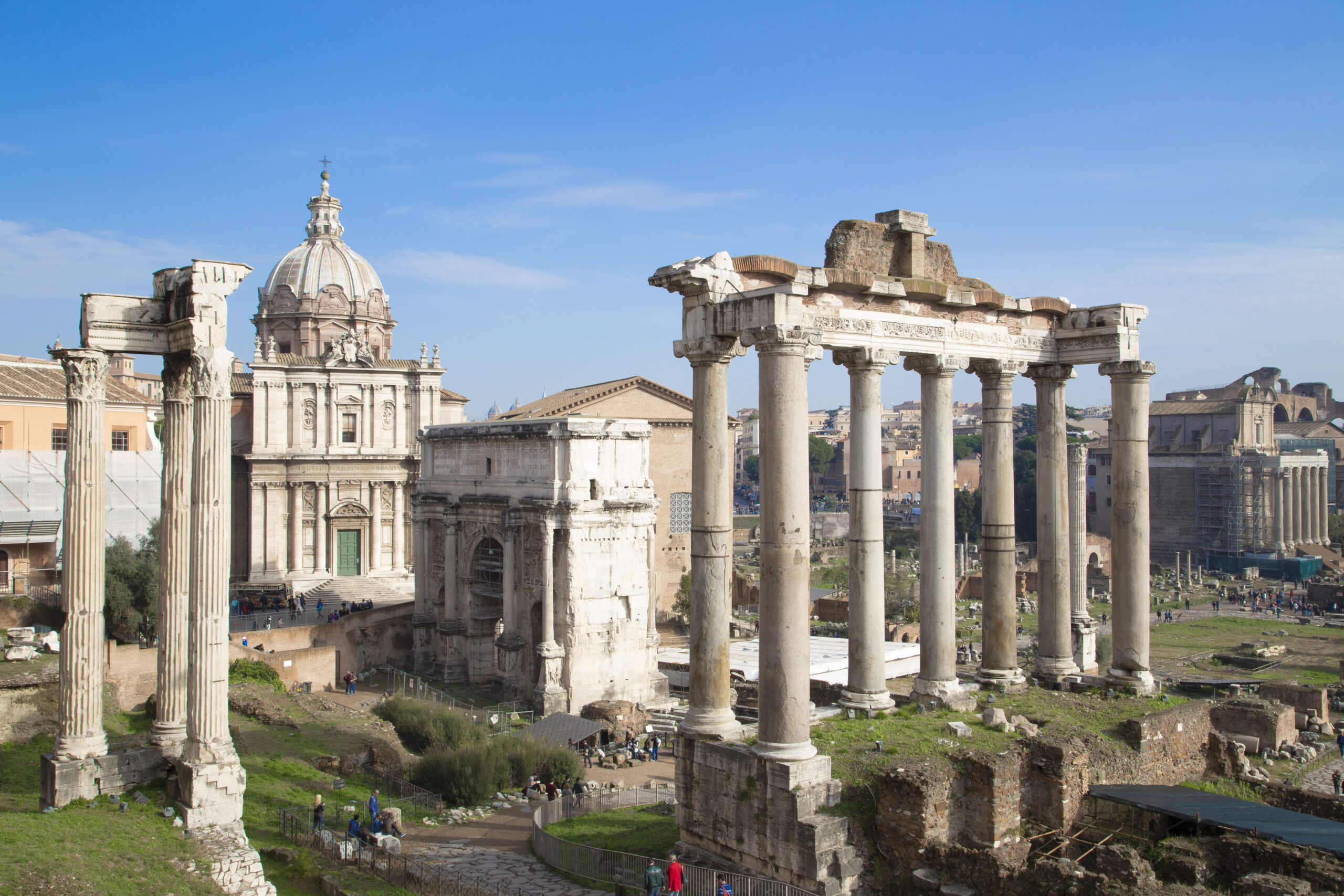
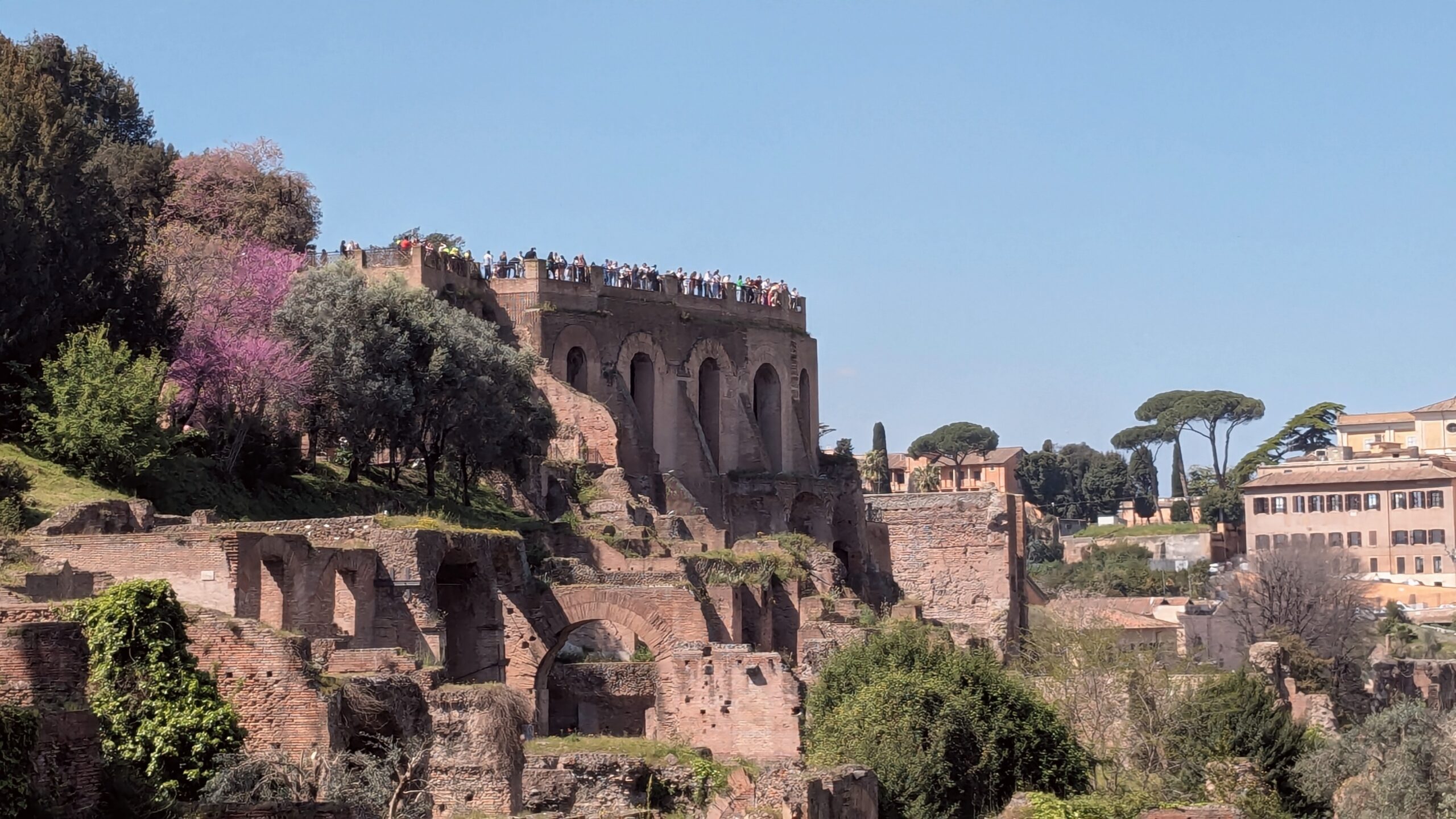
Our guided Viator tour in Spanish included the Colosseum, Roman Forum, and Palatine Hill. At the Colosseum, we could imagine the gladiators fighting each other and wild beasts, feeling the living history of the Roman Empire. More than 65,000 spectators would fill the arena to watch these battles (sometimes even naval battles when the Colosseum was flooded) and public spectacles. It is estimated that approximately 200,000 people died in these games.
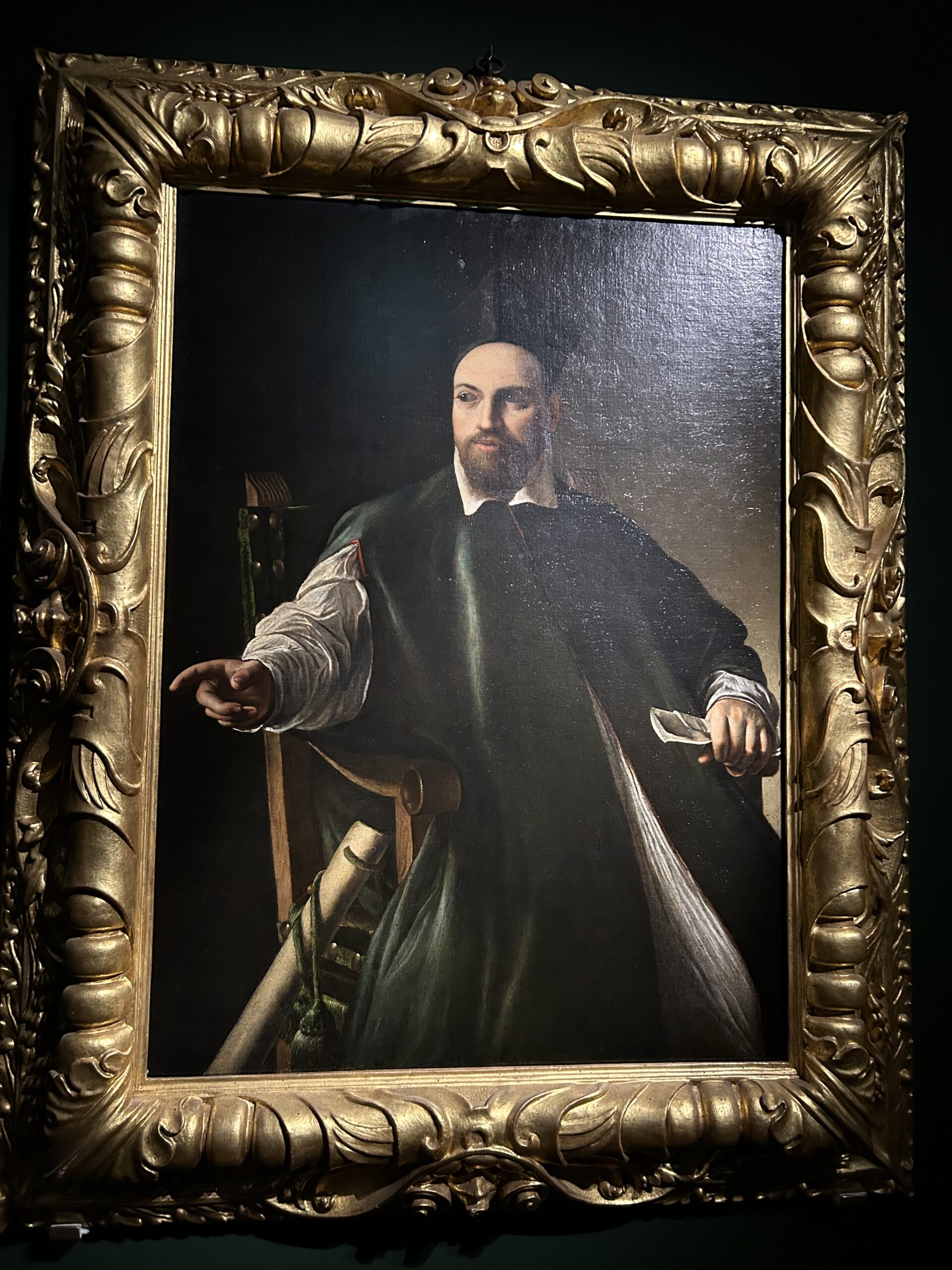
In the afternoon, we visited the Baroque Palazzo Barberini, home to the National Gallery of Ancient Art, where a wonderful guide led us through a temporary exhibition of 60 works by the influential painter Caravaggio (1571–1610) a groundbreaking precursor of the Baroque style. Among the highlights was Caravaggio’s Portrait of Maffeo Barberini, belonging to Federico Gandolfi, who lives in Miami and Florence and comes from a four-generation family of Florentine art dealers.
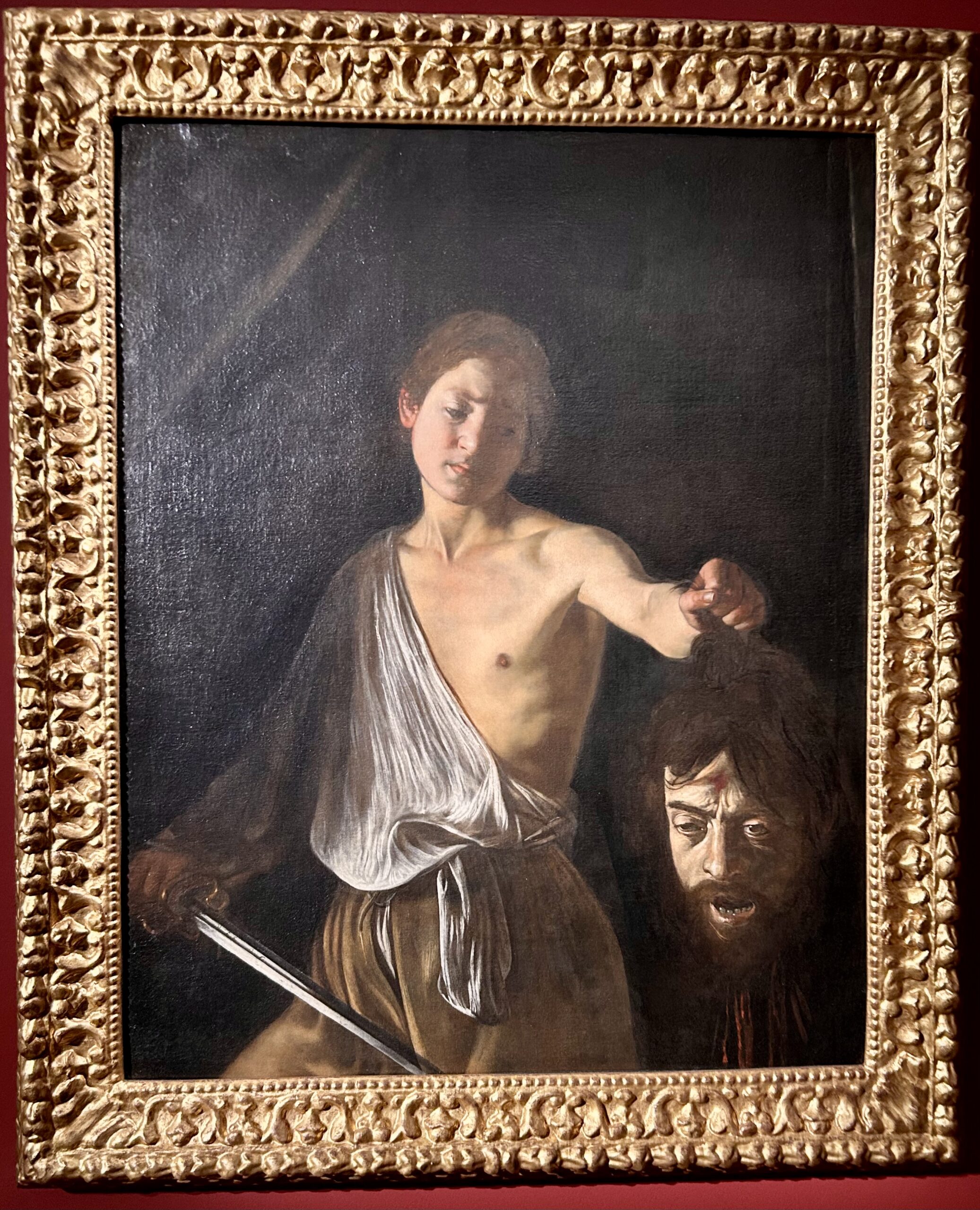
The Palazzo itself, an architectural masterpiece by Bernini, Madmo, and Borromini, houses an extensive collection of paintings from the 13th to the 18th centuries, including “La Fornarina” by Raphael, “Judith and Holofernes” by Caravaggio, and works by El Greco and Titian.
For dinner nearby, we chose Ristorante La Cucina Nazionale, where we enjoyed Cannelloni, Spaghetti, Pizza, Cotoletta alla Milanese (€14), Sea Bass Fillet with Potatoes (€18), and Apple Cake with Ice Cream (€7).
Day 3: The Vatican City and the Sistine Chapel
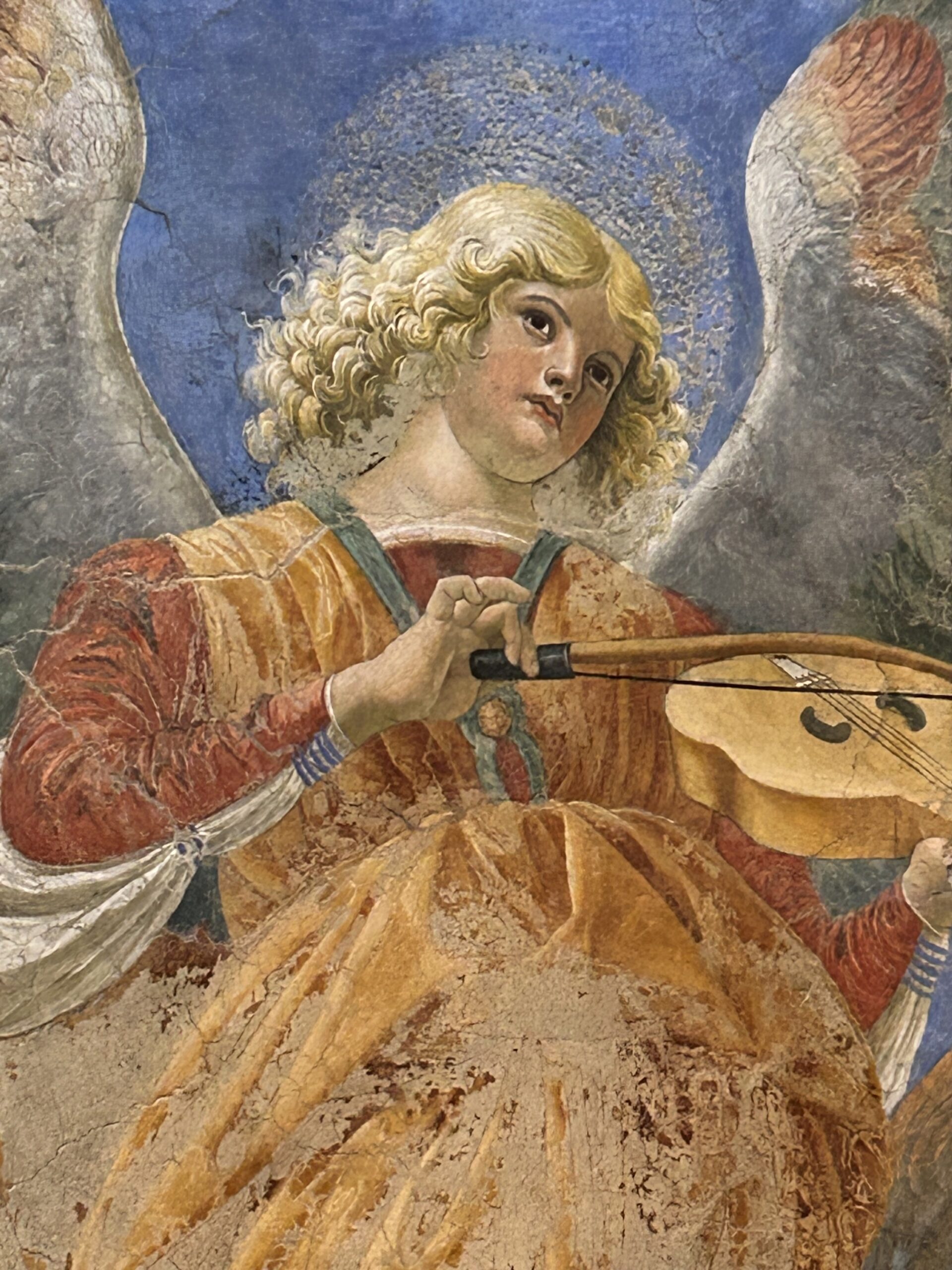
Our Viator tour in Spanish began early in the morning and included the Vatican Museums, with skip-the-line access and a guided visit to the Sistine Chapel, where we admired the masterful frescoes of the legendary Renaissance artist Michelangelo. These frescoes depict scenes from Genesis, the Creation of the World, and Adam and Eve. The tour required fast walking and some stair climbing, and our Cuban-Roman guide eventually abandoned us as she had to accommodate older visitors. We continued the visit on our own through the Vatican Museums, filled with treasures including works by Raphael, Caravaggio, Michelangelo, Roman and Egyptian sculptures, and religious art.
A short 20-minute walk brought us to St. Peter’s Square, where we admired the 140 statues atop the 280-column colonnade designed by Bernini and completed by his students in 1670. The Basilica of St. Peter, completed in 1626, is one of the world’s most iconic religious buildings. According to tradition, St. Peter’s tomb lies beneath the main altar. Inside, we marveled at famous masterpieces such as Michelangelo’s Pietà and Bernini’s Baldachin. Entry is free.
For dinner near the Vatican, we recommend Ristorante Arlù, which offers delicious antipasti, homemade pasta (€15–20), and main dishes (€23–28).
Day 4: Excursion to Pompeii
We took a five-hour Viator excursion to Pompeii, about two and a half hours from Rome, including transportation, guide, lunch, and wine tasting, all in Spanish. Pompeii is one of the world’s most fascinating archaeological sites, a city frozen in time by the eruption of Mount Vesuvius and lost for 1,500 years. Historians date the eruption to August 24, 79 A.D. We walked through its ancient streets, visited villas and forums, and imagined life in this once-prosperous Roman city.
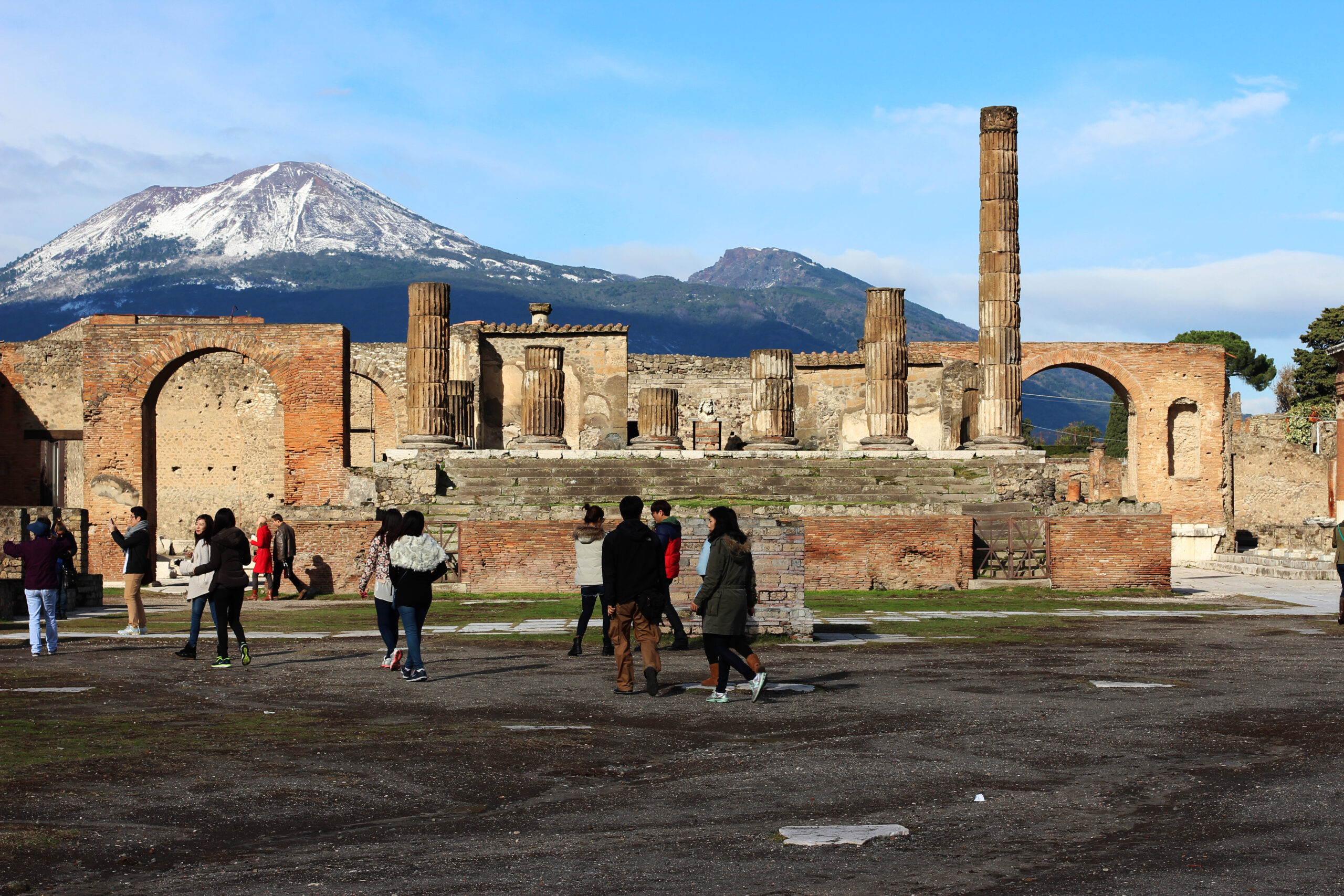
We visited the Forum, center of Pompeii’s public and religious life, the Amphitheater, where gladiators fought, and the Large Theater, which could accommodate thousands of spectators. In the Villa of the Mysteries, we saw frescoes depicting mysterious rituals, and in the House of the Vettii, we admired beautifully preserved wall paintings, one even resembling an early version of pizza. At the Garden of the Fugitives, we were moved by the plaster casts made from the voids left by the victims’ bodies.
Recent excavations have revealed new frescoes, skeletons, and even a private spa. Although 15,000 people lived in Pompeii at the time of the disaster, only 2,000 bodies have been found, suggesting more discoveries to come.
Back in Rome, we dined outdoors at Alle Carrette, enjoying bruschetta, salmon and shrimp salad, assorted pizzas (€9), and porcini mushroom pasta (€9).
Day 5: Markets and Shopping
If you’re in Rome on a Sunday, we recommend exploring the Trastevere Market at Porta Portese (before 2 p.m.), famous for its hidden treasures. Trastevere is a bohemian neighborhood of narrow cobblestone streets whose name means “across the Tiber.” We suggest visiting Piazza di Santa Maria, the Basilica of Santa Maria, and Villa Farnesina, a beautiful 16th-century mansion featuring works by Raphael and lovely gardens.
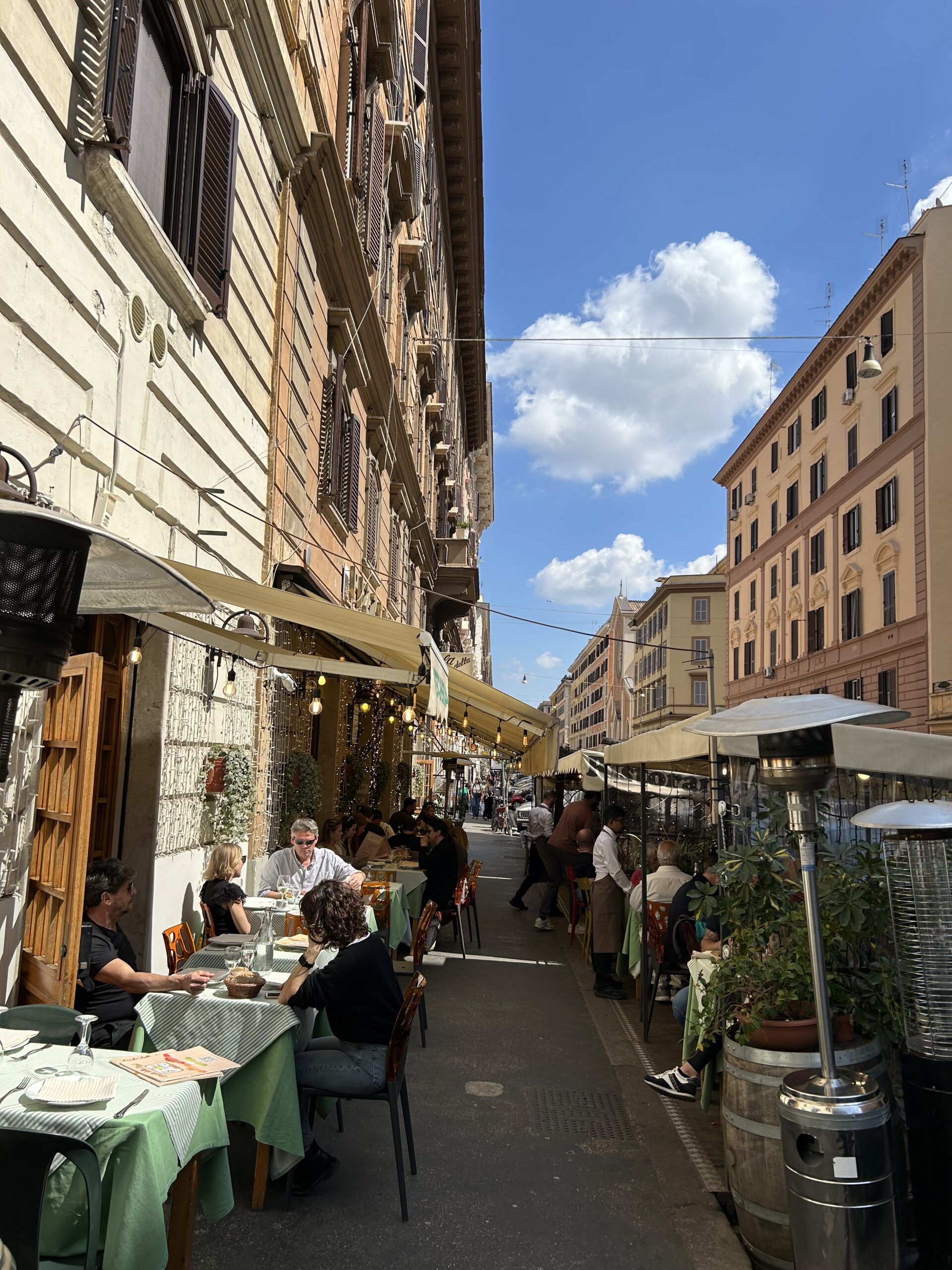
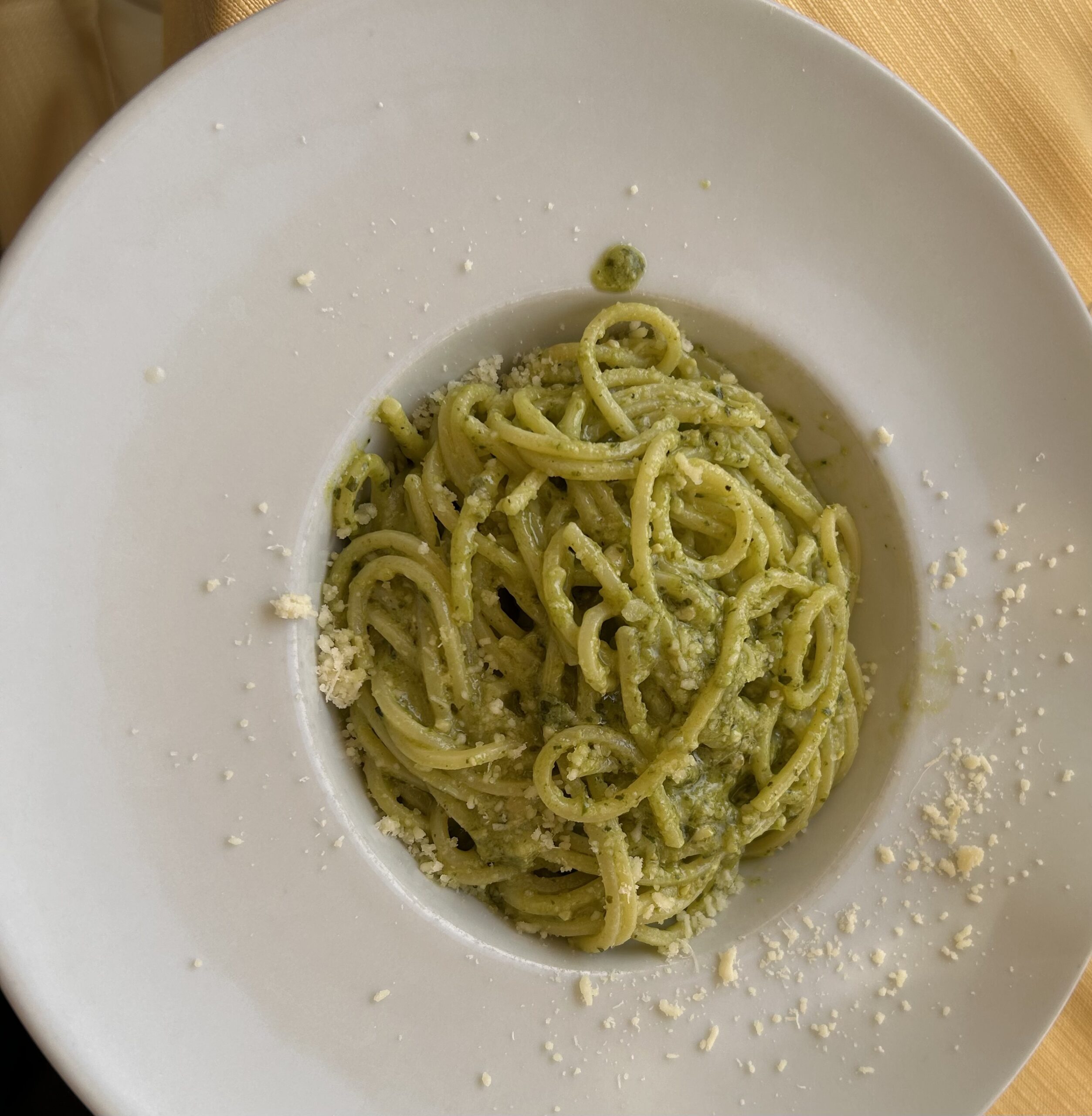
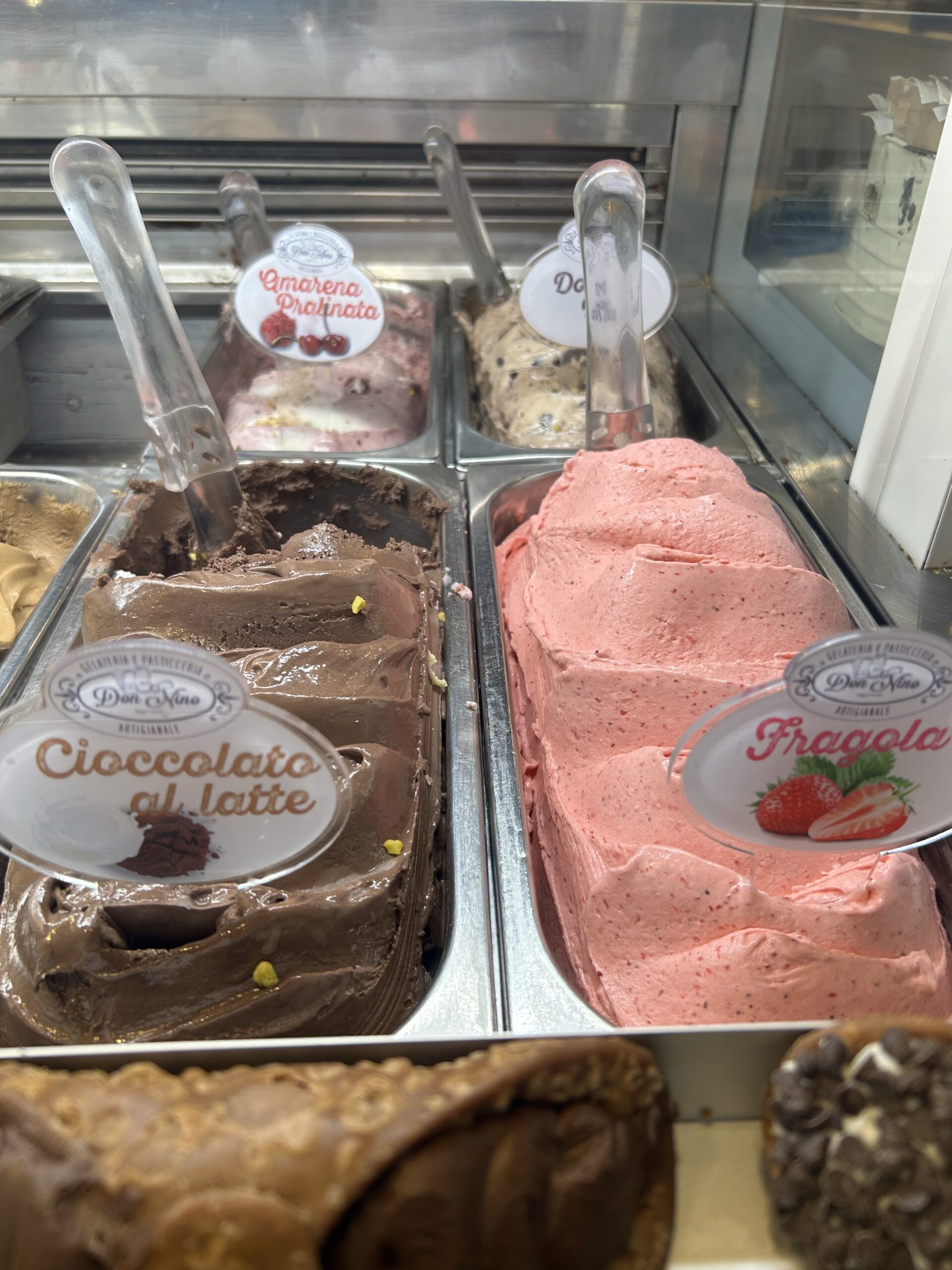
Between Piazza Navona and Piazza Farnese lies Campo de’ Fiori, once a site of public executions but now home to a colorful market with flowers, fresh produce, artisanal shops, and local goods. Nearby streets offer great shopping for clothing, accessories, and crafts. At night, the area comes alive with bars and restaurants.
We ended our trip with dinner at Osteria delle Coppelle, traditional, cozy, and elegant, with creative cuisine and excellent wine. We started with beef carpaccio, toast with anchovies, and foie gras terrine with caramelized apple and brioche, shared tagliatelle with truffles (€20), then veal saltimbocca with ham, cheese, and sage (€18). We finished with a delicious tiramisu (€8).
Rome is an extraordinary destination not only for its impressive historical, artistic, and culinary attractions but also because of its people, who welcome visitors with warmth and humor. We left the Eternal City both satisfied and a little sad, wishing we had more time to explore its wonders.
By Aida Levitan, Ph.D., Fivedaytravel.com and ArtesMiami, Inc.